Understanding Replica Fashion: Quality, Craftsmanship, and What to Look For
The world of replica fashion has grown considerably over the past decade, attracting curious shoppers who want the look and feel of luxury goods without the steep price tag. From handbags and watches to shoes and clothing, replica items span a wide range of categories and quality levels. This article explores what replica products actually are, how they differ from one another, and what factors matter most when evaluating them.
What Are Replica Products?
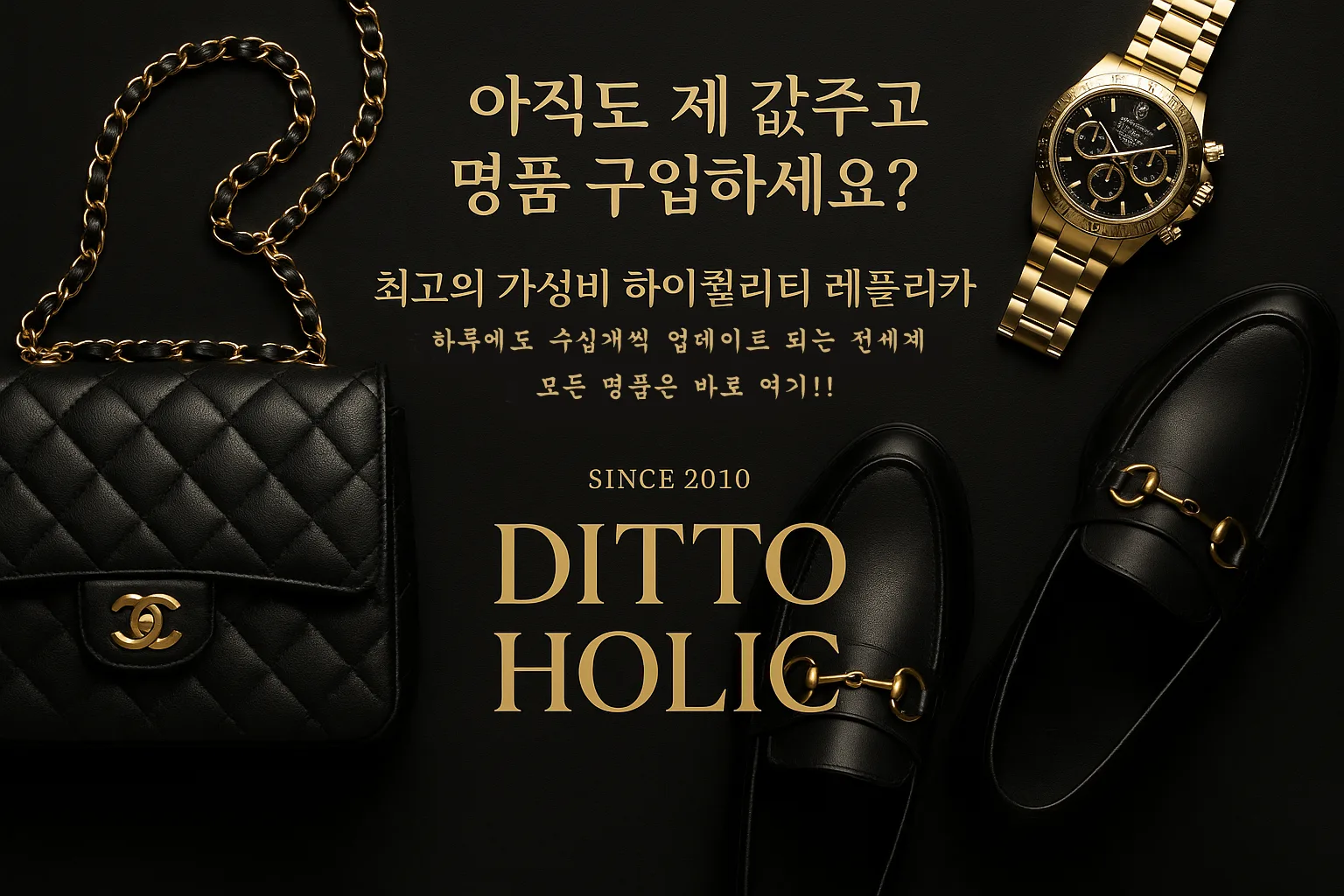
At their core, replica products are items designed to closely reference the aesthetic, design language, and detailing of well-known luxury brands. They are crafted to mirror the visual identity of high-end goods — the stitching patterns, hardware finishes, logo placements, and overall silhouettes that define iconic pieces. The term 레플리카 specifically refers to this category of goods, covering everything from structured leather bags to precision-styled timepieces and tailored garments.
It is important to understand that replica items vary enormously in how closely they replicate the original. Some are made with careful attention to material sourcing and construction, while others cut corners significantly. The end result ranges from pieces that look nearly indistinguishable from the originals to products that fall short in obvious ways.
Key Factors That Determine Replica Quality
Not all replica goods are created equal. Several critical variables influence how well a finished piece holds up in terms of appearance and durability. Shoppers who want a satisfying experience should pay close attention to these elements before making any decision.
- Material quality: The type of leather, fabric, or metal used dramatically affects how the item looks and how long it lasts. Higher-grade replicas often use genuine leather or premium synthetic alternatives that age well.
- Finishing and stitching: Clean, even stitching with consistent spacing is a hallmark of careful construction. Loose threads, uneven seams, or misaligned patterns are signs of lower production standards.
- Hardware and detailing: Zippers, clasps, buckles, and logo embossments should feel solid and look precise. Flimsy or discolored hardware is one of the easiest ways to spot a poorly made piece.
Product Categories in the Replica Market
Replica goods span a surprisingly broad range of product types. Each category comes with its own set of quality benchmarks and consumer expectations. Understanding what to prioritize in each segment helps buyers make more informed choices.
| Category | Common Materials | Key Quality Indicators |
|---|---|---|
| Handbags | Leather, canvas, suede | Stitching consistency, lining quality, hardware weight |
| Watches | Stainless steel, sapphire glass | Movement accuracy, case finishing, clasp function |
| Shoes | Full-grain leather, rubber soles | Sole attachment, upper shaping, logo accuracy |
| Clothing | Cotton, wool blends, silk | Fabric weight, cut precision, label detailing |
How to Evaluate a Replica Before Buying
Experienced buyers tend to approach replica shopping with a checklist mindset. Rather than focusing purely on how something looks in a product photo, they ask specific questions about construction methods, the origin of materials, and how the seller describes quality tiers. Reputable sellers are usually transparent about what grade of materials they use and how closely their products mirror the originals.
Reading community reviews and seeking out detailed comparison posts can also be invaluable. Many enthusiast communities share side-by-side assessments that highlight differences invisible to the untrained eye. Over time, this kind of research builds the judgment needed to spot genuine quality.
Setting Realistic Expectations
One of the most practical pieces of advice for anyone exploring replica fashion is to set honest expectations from the start. Even the best-made replica is not identical to an authentic luxury piece. The goal is to find something that delivers strong visual impact, decent durability, and a satisfying ownership experience at a fraction of the original price. When approached with that mindset, replica shopping can be genuinely rewarding rather than disappointing.
Taking the time to research sellers, understand material grades, and learn what distinguishes a carefully made piece from a rushed one will always pay off. The replica market rewards informed buyers who know what questions to ask and what details to inspect before committing to a purchase.