How Korean Businesses Are Using Card Payments for Rent, Maintenance Fees, and Labor Costs
Managing monthly cash flow is one of the most persistent challenges for small business owners and renters alike in South Korea. Over the past few years, card-based payment services have expanded well beyond retail shopping to cover recurring obligations like monthly rent, building maintenance fees, and even labor costs. This article explores how each of these payment categories works, why people are turning to card solutions, and what to consider before signing up for one of these services.
The Shift Toward Card-Based Recurring Payments
Traditionally, obligations such as monthly rent and building maintenance fees were settled through direct bank transfers. While reliable, bank transfers offer no flexibility — the cash leaves your account immediately, and there is no opportunity to defer the outflow or earn card rewards in the process. As fintech platforms have matured, a new category of payment intermediary services has emerged to bridge this gap, allowing individuals and businesses to pay these fixed obligations by credit or debit card even when the receiving party does not have a card terminal.
Monthly Rent Payments by Card
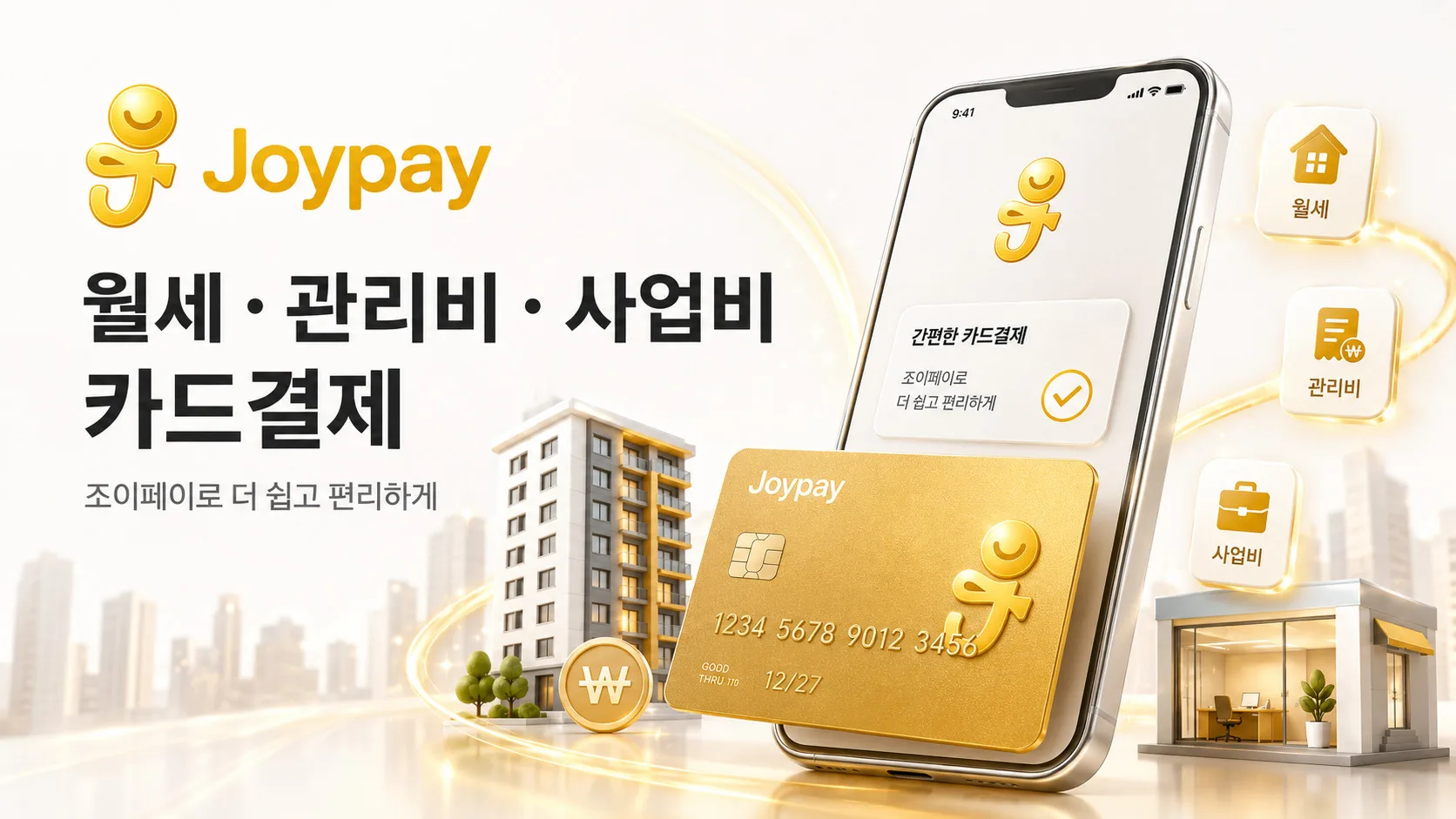
Paying monthly rent by card is a service that converts what was once a straightforward bank transfer into a card transaction. A payment intermediary collects the rent amount from the tenant’s credit or debit card and then forwards the equivalent funds to the landlord’s bank account. The landlord receives exactly what they expect, while the tenant gains the benefit of their card’s billing cycle. This can be particularly helpful when a payday falls slightly after the rent due date, or when a tenant wants to accumulate reward points on a large recurring expense.
Key Benefits for Renters
- Earn credit card reward points or cashback on a large monthly expense that previously generated no rewards.
- Use the card’s interest-free installment period to smooth out cash flow during tight months.
- Keep a cleaner digital record of rent payments directly through card statements.
Maintenance Fee Payments by Card
Apartment complexes and officetel buildings in South Korea issue monthly maintenance bills covering elevator upkeep, cleaning, security, and utility common areas. These fees have historically been paid by bank transfer or automatic debit. Card payment services now allow residents to route these charges through a credit or debit card instead, giving them the same billing flexibility they enjoy with rent. The building management office receives the payment on schedule, and the resident gains a few extra weeks before the actual cash leaves their account.
Labor Cost Payments by Card
Perhaps the most innovative application in this space is using card payments to cover labor costs. Business owners who employ part-time staff, contract workers, or service vendors can use 인건비카드결제 to charge these payroll-equivalent expenses to a corporate credit card. The payment intermediary then disburses the funds to the workers’ accounts. This approach effectively delays the real cash outflow to the card’s billing date, giving the business owner critical breathing room during periods of tight liquidity.
Why Business Owners Find This Useful
For a small business, timing mismatches between receivables and payables can create serious stress. If a client payment is delayed by two weeks but staff wages are due on the first of the month, the owner may face a shortfall even though the business is fundamentally healthy. Card-based labor payment services act as a short-term bridge, preventing the need for emergency loans or overdraft facilities in many situations.
Comparing the Three Payment Types
| Payment Type | Who Uses It | Main Benefit | Typical Fee Range |
|---|---|---|---|
| Monthly Rent | Residential and commercial tenants | Card rewards and deferred cash outflow | 1%–3% of transaction |
| Maintenance Fees | Apartment and officetel residents | Convenient billing and reward accumulation | 1%–2% of transaction |
| Labor Costs | Small business owners | Liquidity management and cash flow buffer | 1.5%–3.5% of transaction |
Things to Consider Before Using These Services
While the benefits are real, users should weigh a few practical factors. First, intermediary service fees apply to every transaction, so the cost must be justified by the card rewards earned or the value of the deferred payment. Second, not all credit cards treat these intermediary transactions as standard purchases — some issuers may classify them differently, affecting reward eligibility. Third, business owners should confirm that using a card for labor disbursements aligns with their accounting and tax reporting practices, since the paper trail differs from a conventional payroll transfer.
Choosing a Reliable Payment Platform
When selecting a platform for any of these services, look for transparent fee disclosures, clear processing timelines, and responsive customer support. Confirm that the platform is registered with relevant financial authorities and that recipient funds are protected during the transfer window. Reading user reviews from others in similar situations — renters, building residents, or small business operators — can also give you a realistic picture of day-to-day reliability before you commit to a service.
Card-based payment services for rent, maintenance fees, and labor costs represent a practical evolution in how individuals and businesses manage their fixed monthly obligations. Used thoughtfully and with a clear understanding of the associated fees, they can provide meaningful financial flexibility without requiring any changes on the part of landlords, building managers, or workers who receive the payments.