ibc tank: Practical Advantages for Bulk Storage and Safer Handling
ibc tank help simplify bulk storage and transport by reducing handling steps, improving space usage, and supporting more predictable logistics. Learn how ibc tank fit into real workflows and how to choose the right setup.
Bulk operations often struggle with the same issues: too many small containers, too much manual handling, and too many points where mistakes can happen. That is where ibc tank can make a noticeable difference. By consolidating volume into standardized units, ibc tank can reduce repetitive movement, keep staging areas more organized, and make loading and unloading routines easier to plan. This article explains where ibc tank deliver the most value and what to check so your choice matches your workflow.
Product link:
ibc tank
What an ibc tank is and why it matters
An ibc tank is commonly used as an intermediate bulk container for storing and transporting liquids and certain bulk materials. The key idea is standardization. When your containers follow a consistent format, everyday tasks such as staging, counting, moving, and transferring become more repeatable. For teams that care about operational control, ibc tank can turn a messy handling process into a cleaner routine.
Typical applications for ibc tank
ibc tank are used across many environments because they can support both storage and movement. Common use cases include:
- Warehouse and distribution: ibc tank help keep storage zones structured and can make shipment preparation more predictable.
- Production support: ibc tank near a process line can reduce refill interruptions and help stabilize supply.
- Agriculture and facility operations: ibc tank can be used for water storage and compatible inputs that need controlled access.
Benefits that show up in daily operations
Many businesses adopt ibc tank because the benefits are visible in daily routines, not only in long-term planning:
| Benefit | Operational impact |
|---|---|
| Faster handling | Fewer container units can reduce loading, unloading, and repositioning time across each cycle. |
| Improved space planning | Standard footprint and stack-friendly formats can reduce wasted space and simplify staging layout. |
| Cleaner inventory management | With fewer units to track, labeling, counting, and routine checks often become simpler. |
| More stable logistics | Consistent container sizes help teams plan pallet positions, vehicle loads, and storage capacity more accurately. |
How to choose the right ibc tank
The best ibc tank selection depends on what you store, how you transfer it, and how your team operates. These checks reduce the chance of mismatches:
- Compatibility: confirm the ibc tank materials and internal surfaces match your liquid or material requirements.
- Capacity: choose an ibc tank volume aligned with consumption rate, delivery frequency, and storage footprint.
- Dispensing hardware: check valves, fittings, and access points so transfers are controlled and spill risk is reduced.
- Handling and stacking: confirm equipment support, storage conditions, and safe stacking rules for your facility.
- Compliance needs: if your industry requires specific standards, verify that the ibc tank meets them.
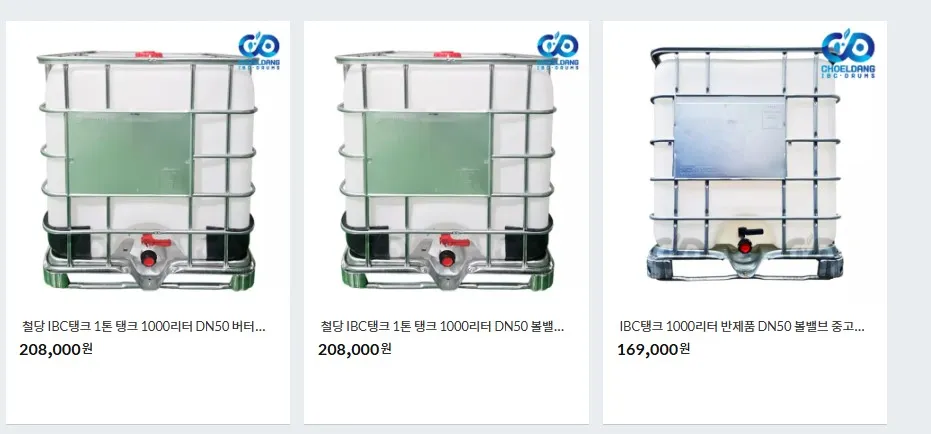
In conclusion, ibc tank can improve bulk storage and transport by simplifying handling routines and making logistics more predictable. When your selection is based on compatibility and workflow, ibc tank can reduce operational friction while supporting safer, cleaner daily execution.
To get the best result, start by mapping your current material flow, identify where time is lost during handling and staging, and then introduce ibc tank where standardization will create the most immediate improvement.