Understanding the Versatility of IBC Tanks
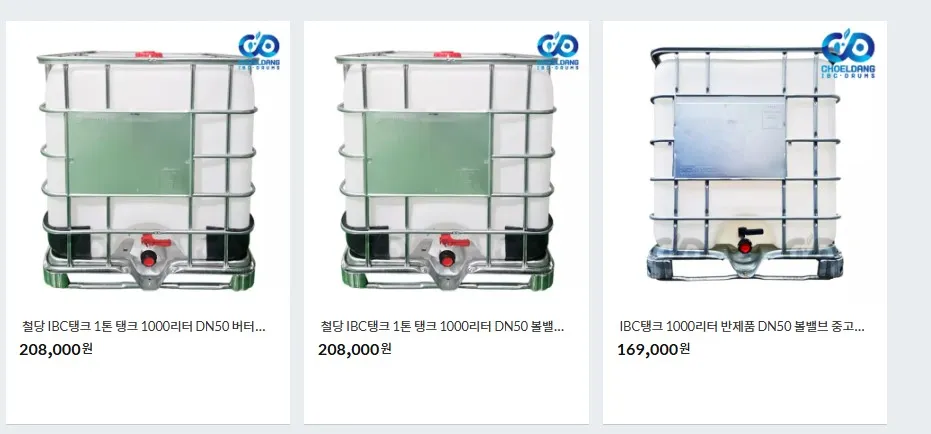
Intermediate Bulk Containers, commonly referred to as “ibc” tanks, are a crucial component in various industries for the storage and transportation of liquids and bulk materials. These robust and versatile containers have garnered attention for their utility and efficiency in numerous applications.
The primary function of an “ibc” tank is to provide a safe and efficient way to handle fluids and granular materials. They are typically used in sectors such as chemicals, food and beverage, pharmaceuticals, and agriculture. Their design allows for the easy handling, stacking, and transportation of substantial volumes, making them an indispensable tool for businesses aiming to streamline their operations.
Key Features of IBC Tanks
Understanding the features of “ibc” tanks can help businesses make informed decisions about their usage. Here are some of the core attributes:
- Durability: Made from materials like plastic, metal, or a combination, “ibc” tanks are designed to withstand harsh conditions and rigorous usage.
- Portability: The shape and structure of these tanks allow them to be easily stacked and transported, optimizing space and reducing logistics costs.
- Versatility: “ibc” tanks can store a wide range of substances, from hazardous chemicals to food-grade materials, due to their various lining and material options.
These tanks are not only functional but also contribute to environmental sustainability. Many “ibc” tanks are reusable and recyclable, aligning with global efforts to reduce waste and promote eco-friendly practices.
Applications of IBC Tanks
The utility of “ibc” tanks extends across multiple industries, each benefiting from their unique features. Below is a table outlining their diverse applications.
| Industry | Application | Benefits |
|---|---|---|
| Chemicals | Storage and transport of hazardous materials | Enhanced safety and compliance |
| Food & Beverage | Bulk storage of ingredients | Maintains hygiene standards |
| Agriculture | Transport of fertilizers and pesticides | Reduces spillage and waste |
“Efficiency is doing things right; effectiveness is doing the right things.” – Peter Drucker
For businesses looking to optimize their supply chain, “ibc” tanks offer a practical solution. They not only enhance operational efficiency but also facilitate compliance with industry standards, thereby safeguarding both workers and the environment.
Choosing the Right IBC Tank
Selecting the appropriate “ibc” tank can be a pivotal decision for any organization. Consider the following factors when making your choice:
- Material: The choice between plastic, metal, or composite tanks should be informed by what substances will be stored.
- Size: Different capacities are available, and the right size will depend on your storage needs and space constraints.
- Regulations: Ensure that the “ibc” tank complies with industry-specific regulations and standards.
By taking these factors into account, businesses can enhance their operations and contribute to a more sustainable future. Whether you’re dealing with chemicals or food products, “ibc” tanks offer a reliable and efficient solution.
In conclusion, the versatility and efficiency of “ibc” tanks make them an invaluable asset in modern industrial practices. If you’re looking to improve your storage and transportation systems, consider integrating “ibc” tanks into your strategy today.